What are Particulate Pollutants, Your Guide to Understanding
Explore how particulate pollutants form, how they impact air quality, and what steps we can take to protect our health and environment.
Particulate Pollutants: Invisible Crisis
Researchers at the Institute of Environmental Assessment & Water Research (IDAEA‑CSIC) found on average 359 ng of nano and microplastic mass per litre in bottled water samples a clear sign of widespread nano pollution in our drinking water.
What are Particulate Pollutants?
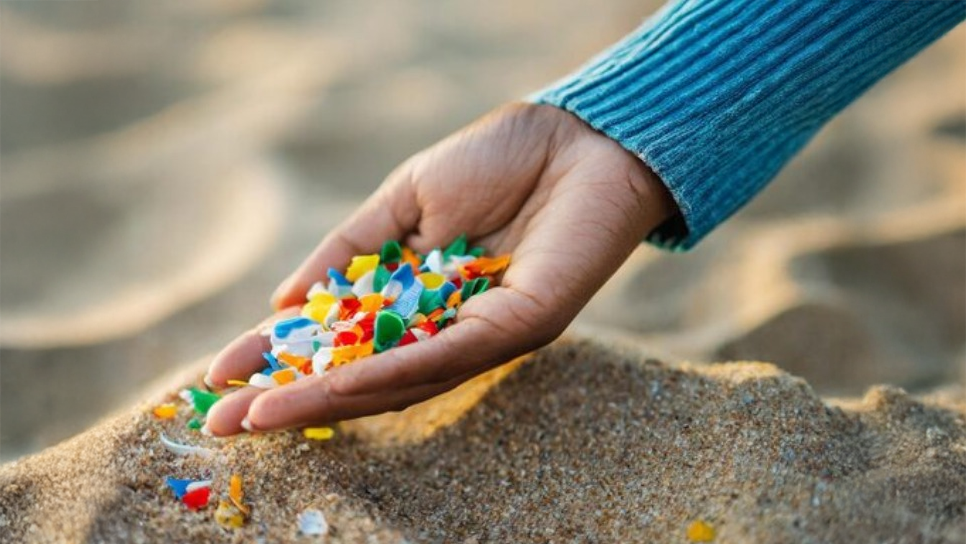
Particulate pollutants refers to plastic particles so small that they enter air, water, soil, and even human organs. These particles come from plastic breakdown, synthetic clothes, tires, and industrial waste. Our blog explains the science in simple language.
Why particulate pollutants Matter
Nano sized plastics travel through oceans, soil, and the atmosphere. They harm marine life, disrupt ecosystems, and enter the human bloodstream. Studies now show microplastics in lungs, placenta, arteries, and drinking water. We simplifies the science and provides real, practical solutions.
Particulate Pollutants refers to extremely small particles less than 100 nanometers that come from plastics, industrial waste, synthetic materials, and consumer products. Because they are so tiny, these particles can enter air, water, soil, and even living cells, making them one of the most difficult pollutants to detect and remove.
Why is nano pollution more dangerous than regular pollution?
Nano particles are small enough to pass through biological barriers like the lungs, bloodstream, and even the brain. Their size allows them to interact with cells and tissues in ways larger pollutants cannot, potentially causing inflammation, oxidative stress, and long-term health effects.
Where does most nano pollution come from?
Major sources include the breakdown of plastics, textile fibers, tire wear, cosmetics, industrial processes, and chemical manufacturing. Everyday actions like washing synthetic clothes also release nano sized particles into wastewater systems.
Can nano pollution affect human health?
Yes. Studies show nano sized particles can reach the bloodstream, accumulate in organs, and trigger cellular damage. Long-term exposure has been linked to respiratory issues, hormonal disruption, immune system changes, and potential neurological effects.
How can we reduce nano pollution in daily life?
You can limit nano pollution by reducing single use plastics, choosing natural fabrics, using eco-friendly detergents, installing microfiber filters, minimizing cosmetic products that contain nanoparticles, and supporting businesses that follow sustainable manufacturing.